When Waste Becomes a Resource: Building a Structured Recycling Ecosystem
In many Indian cities, waste is treated as an end point. Once it leaves a home, hotel, or industry.

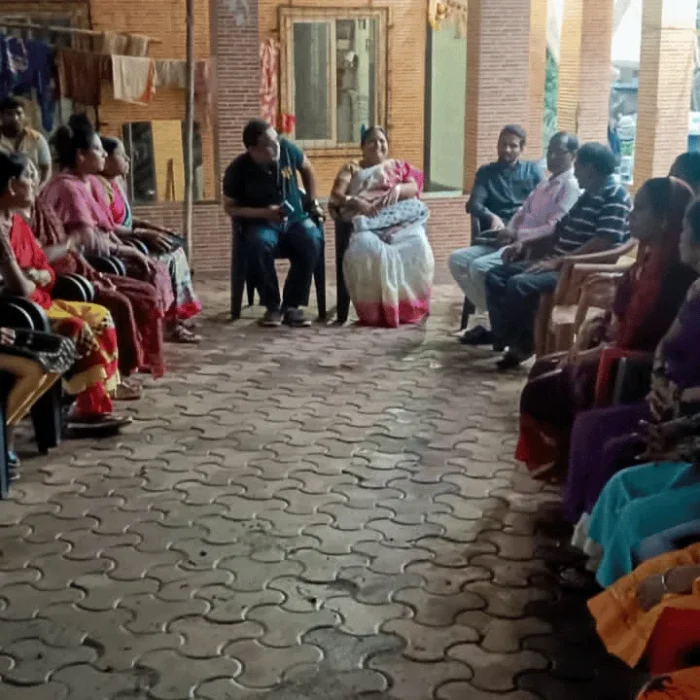
In many tribal regions, the forest is not just geography. It is livelihood, food source, culture, and identity. Yet, despite living close to natural resources, several tribal families continue to face malnutrition, unstable income, and limited market access. The gap is not always about availability. It is about fair systems. Malnutrition among tribal children remains a serious concern. Seasonal income patterns, limited healthcare access, and fluctuating food availability directly affect nutritional stability. Addressing this challenge requires strengthening both food security and income security at the same time.
Forest produce such as honey and other natural resources often carry strong market value. However, middle-layer exploitation reduces earnings for tribal gatherers. When value addition, basic processing, and structured market linkage are introduced, income improves without disrupting traditional knowledge systems. Fair pricing models ensure that producers receive compensation that reflects effort and quality. Livelihood support must respect forest laws, ecological balance, and local customs. Sustainable collection practices protect both biodiversity and future earning potential. Dignity comes when communities are not treated as beneficiaries, but as skilled producers who deserve structured access to markets. Nutrition improves when income stabilizes. Income stabilizes when systems become fair. Tribal development is not about dependency; it is about enabling communities to strengthen what they already know and practice.
In many Indian cities, waste is treated as an end point. Once it leaves a home, hotel, or industry.
Planting a sapling is easy. Ensuring that it survives is where responsibility begins. In rapidly expanding cities.
In many tribal regions, the forest is not just geography. It is livelihood, food source, culture, and identity.