Aloka Foundation

Urban Tree Plantation Is Not an Event

Planting a sapling is easy. Ensuring that it survives is where responsibility begins. In rapidly expanding cities, green cover is often the first casualty of development. Concrete grows faster than trees, and the consequences are visible in rising temperatures, poor air quality, and shrinking natural shade. Environmental protection requires more than symbolic plantation drives. It demands planning  identifying suitable native species, selecting soil-appropriate zones, ensuring water access, and assigning post-plantation care. Without maintenance, survival rates drop, and plantation efforts become short-lived gestures.

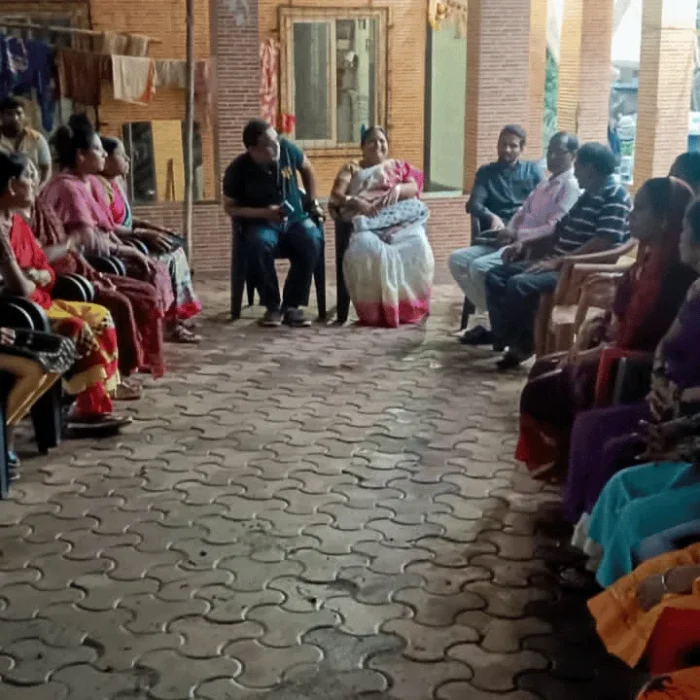
Urban ecological balance depends on community participation. When residents, housing societies, schools, and local groups take shared ownership of trees, survival improves. Awareness around carbon consciousness also plays a role. Every mature tree absorbs carbon dioxide, supports biodiversity, and improves microclimates. In dense urban pockets, even a modest increase in tree cover can make a measurable difference over time. Preservation is equally important. Protecting existing trees, especially older native species, often has greater ecological value than planting new ones. Preventing unnecessary cutting, promoting responsible pruning practices, and encouraging local monitoring systems strengthen long-term impact. Environmental work is slow by nature. A tree takes years to mature. But cities that invest in green cover today create healthier spaces for the next generation. Ecological responsibility is not seasonal; it is continuous.

Leave a Reply

Your email address will not be published. Required fields are marked *