Aloka Foundation

When Waste Becomes a Resource

In many Indian cities, waste is treated as an end point. Once it leaves a home, hotel, or industry, it becomes someone else’s problem. But the truth is simple  waste does not disappear. It either pollutes land, water, and air, or it gets managed with discipline and intent. The difference lies in structure. At Aloka Foundation, the focus is on segregation at source. Without separation of dry and wet waste at the beginning, no recycling model can survive. Working closely with local systems and municipal coordination frameworks, structured collection and channelization are encouraged so that recyclable material does not end up in landfills. Segregation is not just about cleanliness; it determines whether waste can re-enter the economy.

Large waste generators such as hospitality units and institutional kitchens produce significant volumes of wet waste every day. When eight to twelve tons of organic waste are scientifically processed instead of dumped, the environmental outcome changes dramatically. Composting and regulated conversion reduce methane emissions while creating usable output. Similarly, certain regulated animal waste streams can be redirected within compliance norms, preventing illegal dumping and encouraging responsible resale channels. Another important layer is industrial and aviation waste reuse. Materials that are often discarded after limited usage can be redirected into recycling streams. Recycled granule production, even at a ten to fifteen percent reuse model, reduces the pressure on virgin plastic production. The impact may look incremental, but at scale, it matters.

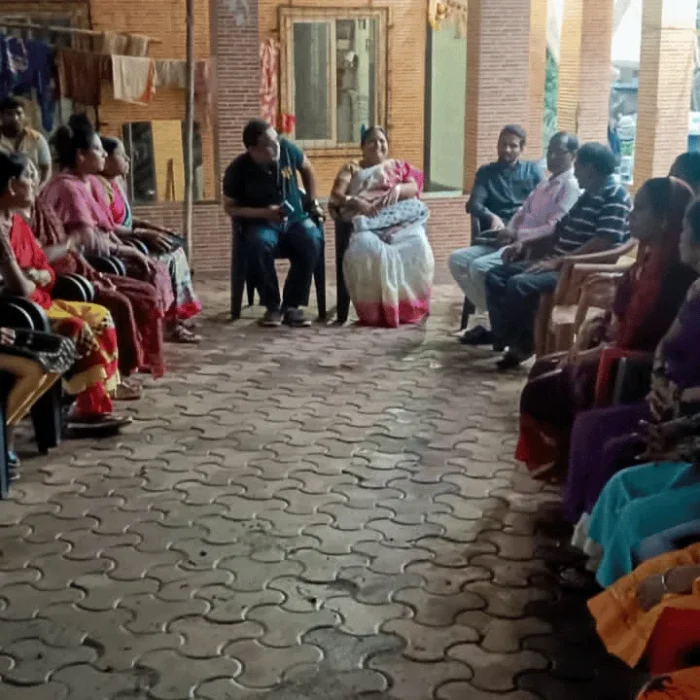
Behind every structured recycling effort is a human network. Informal waste pickers and ragpickers have been part of India’s recycling backbone for decades. Inclusion of vendor networks with dignity, safety norms, and fair linkage strengthens both environmental compliance and livelihood security. Circular economy models must include people, not replace them. Waste management is not charity work. It is environmental responsibility backed by systems. When segregation improves, when recycling channels stabilize, when carbon accountability becomes measurable, cities begin to breathe better. The shift does not happen overnight, but it begins with discipline at the ground level.

Leave a Reply

Your email address will not be published. Required fields are marked *